Our Research
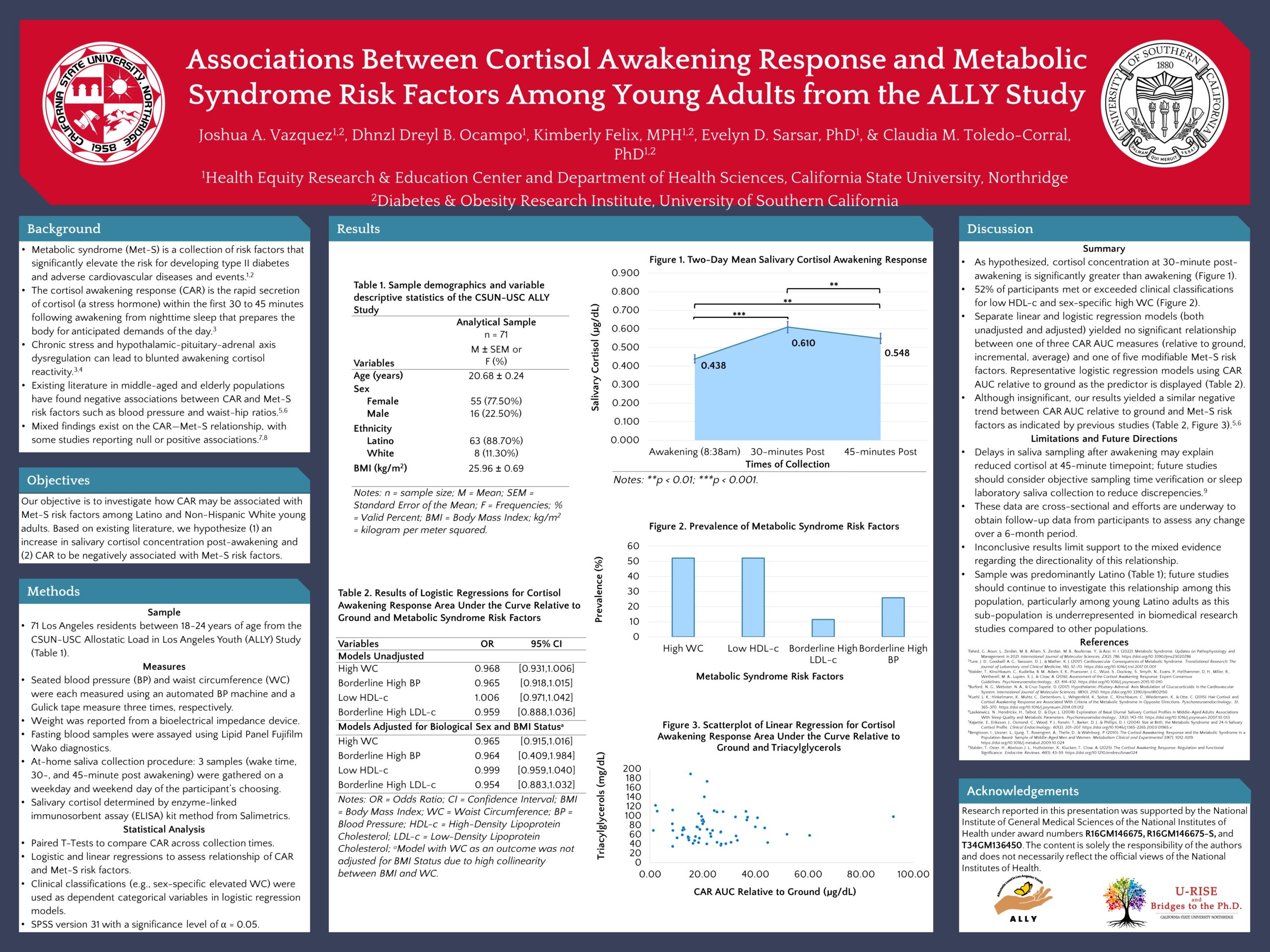
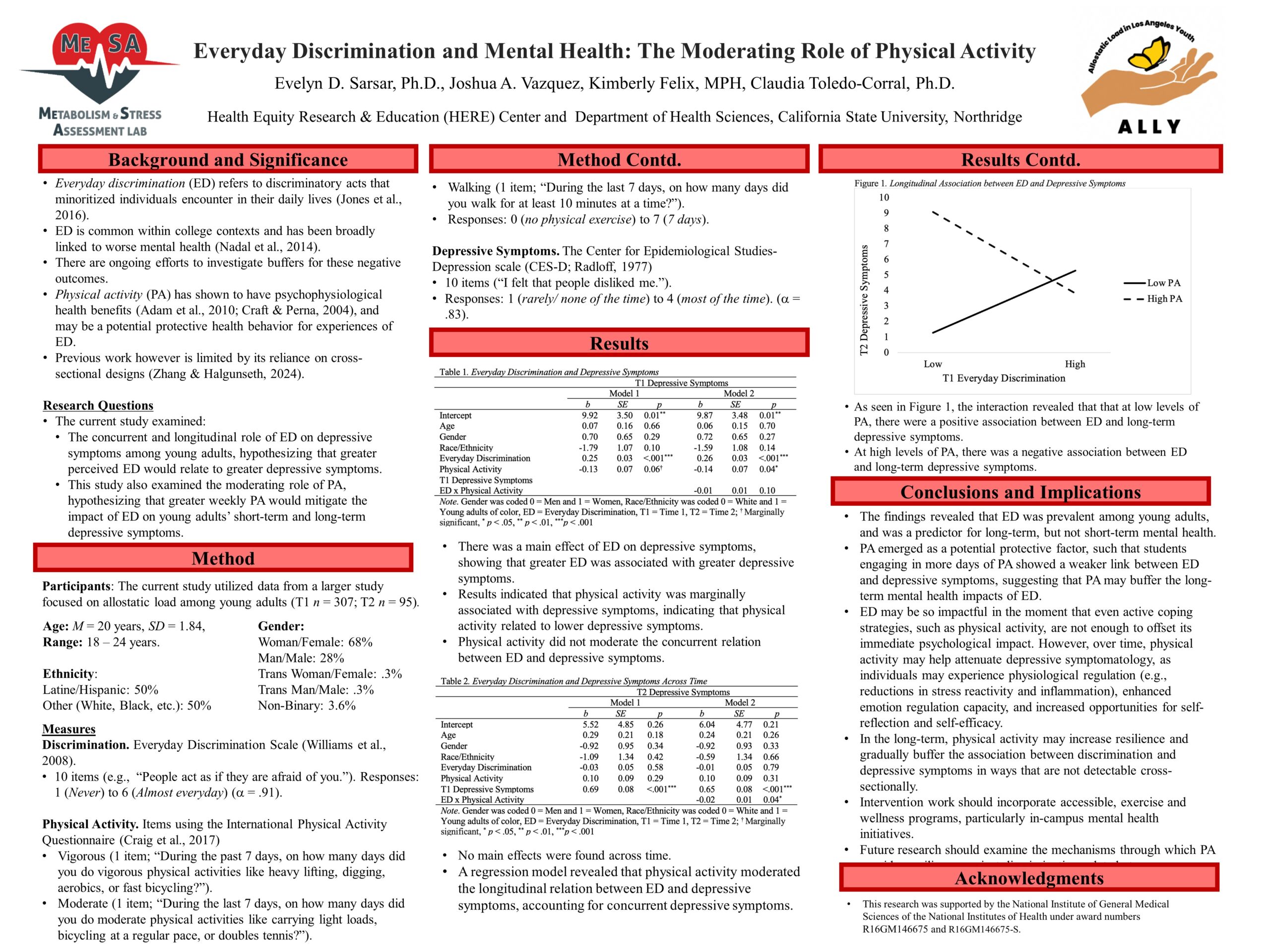
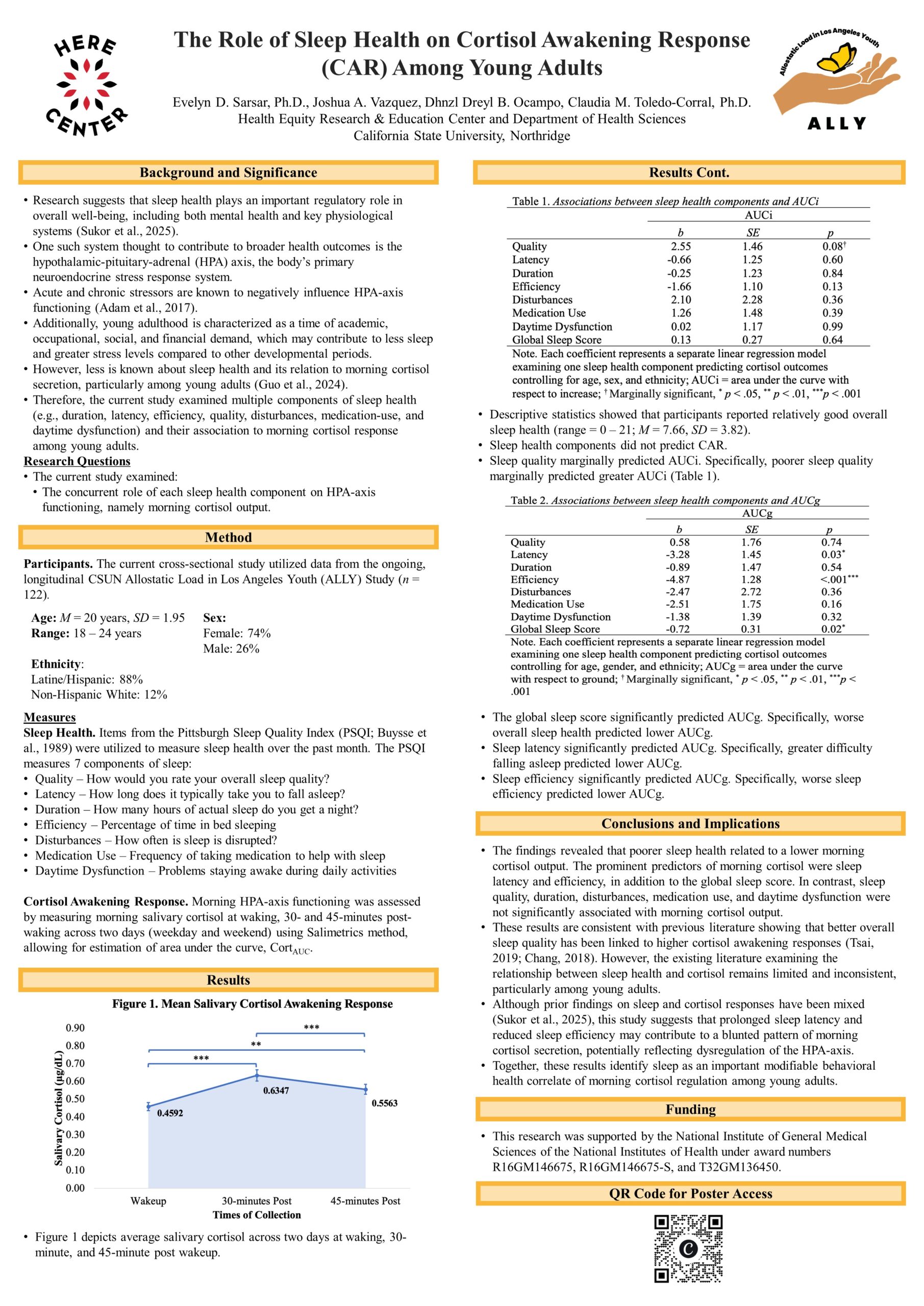
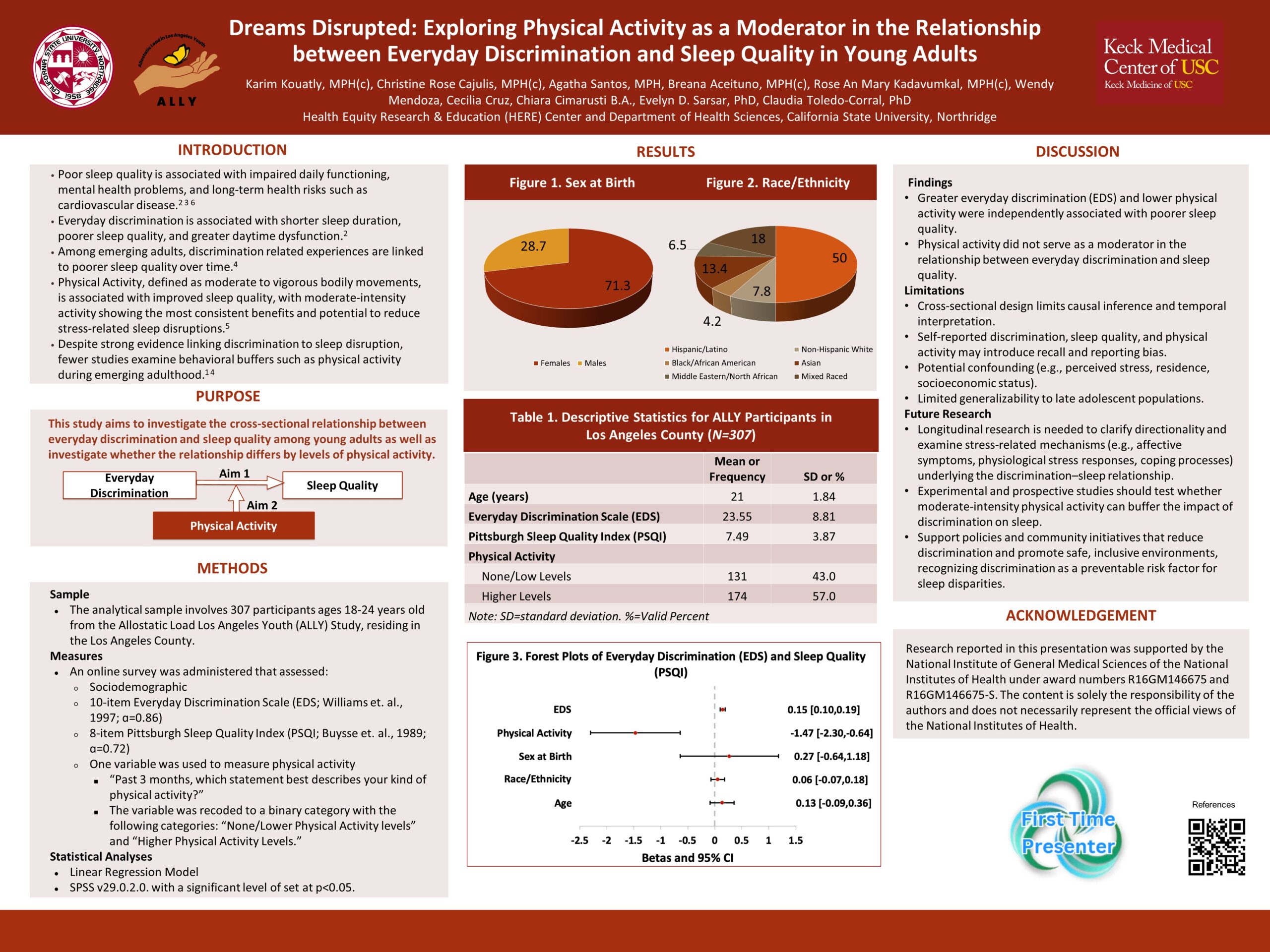
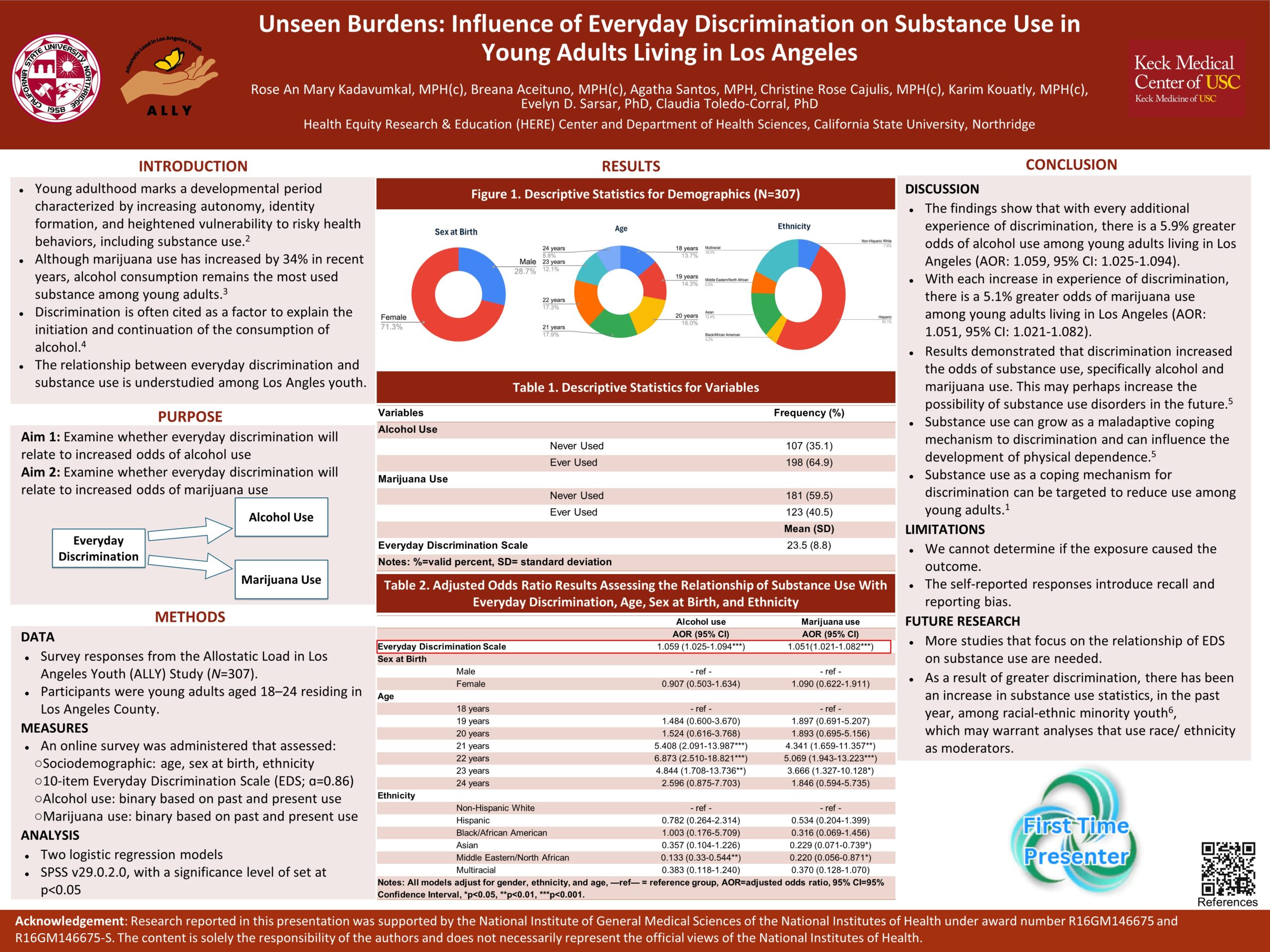
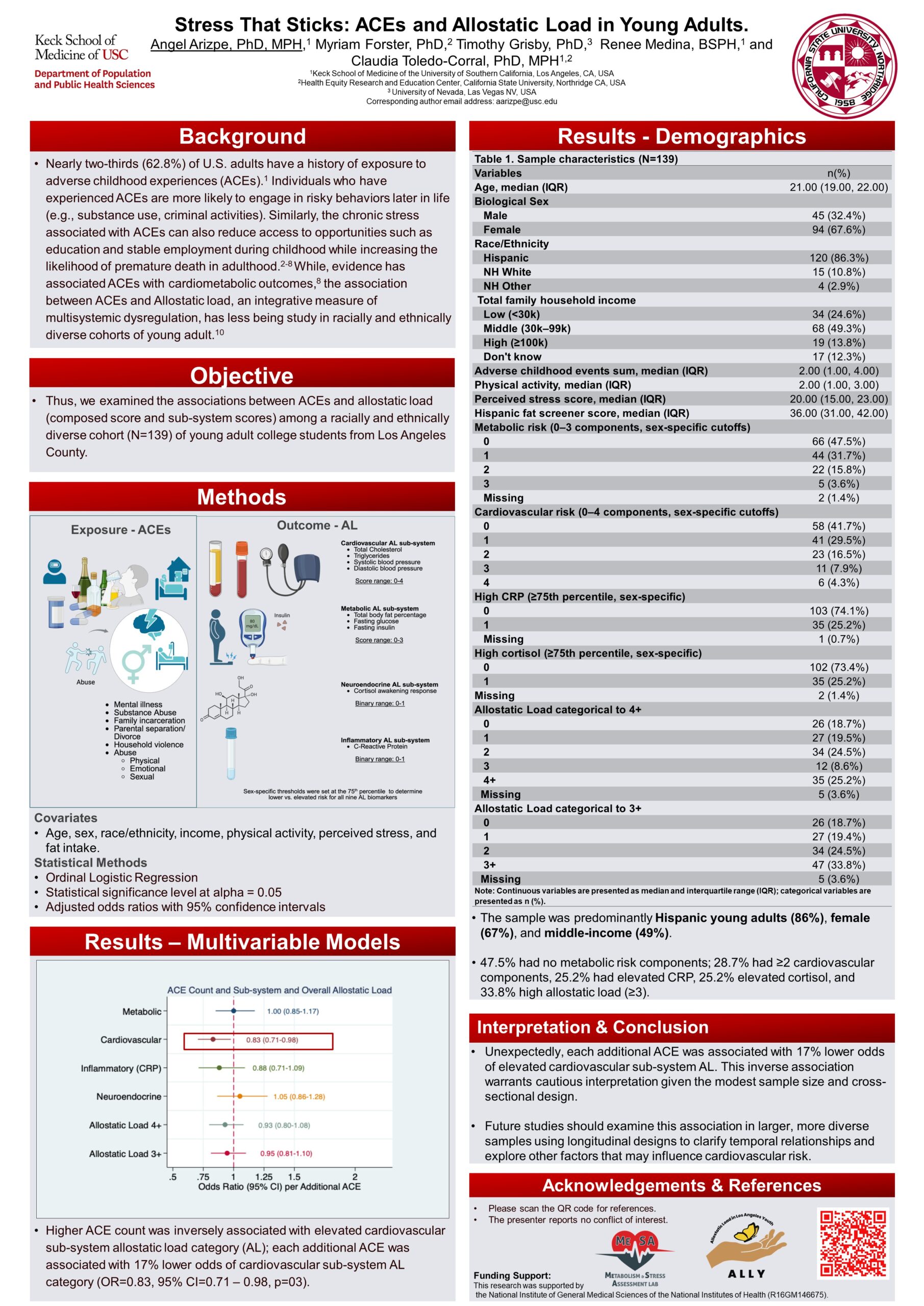
Everyday life stressors and community level burdens have been shown to alter brain biology. Psychoendocrinology literature shows compelling evidence that stress-induced changes to the body may contribute to obesity and metabolic diseases. Specifically, psychosocial and environmental stressors can disrupt hypothalamic-pituitary-adrenal (HPA) axis activity, which in turn will alter cortisol levels throughout the day.
Disrupted cortisol patterns have been shown to be associated with increased risk for obesity and type 2 diabetes. Work in this area of research has implications for public health and health care practitioners by raising awareness of health risks associated with stress and the need for stress-reduction programs and interventions.
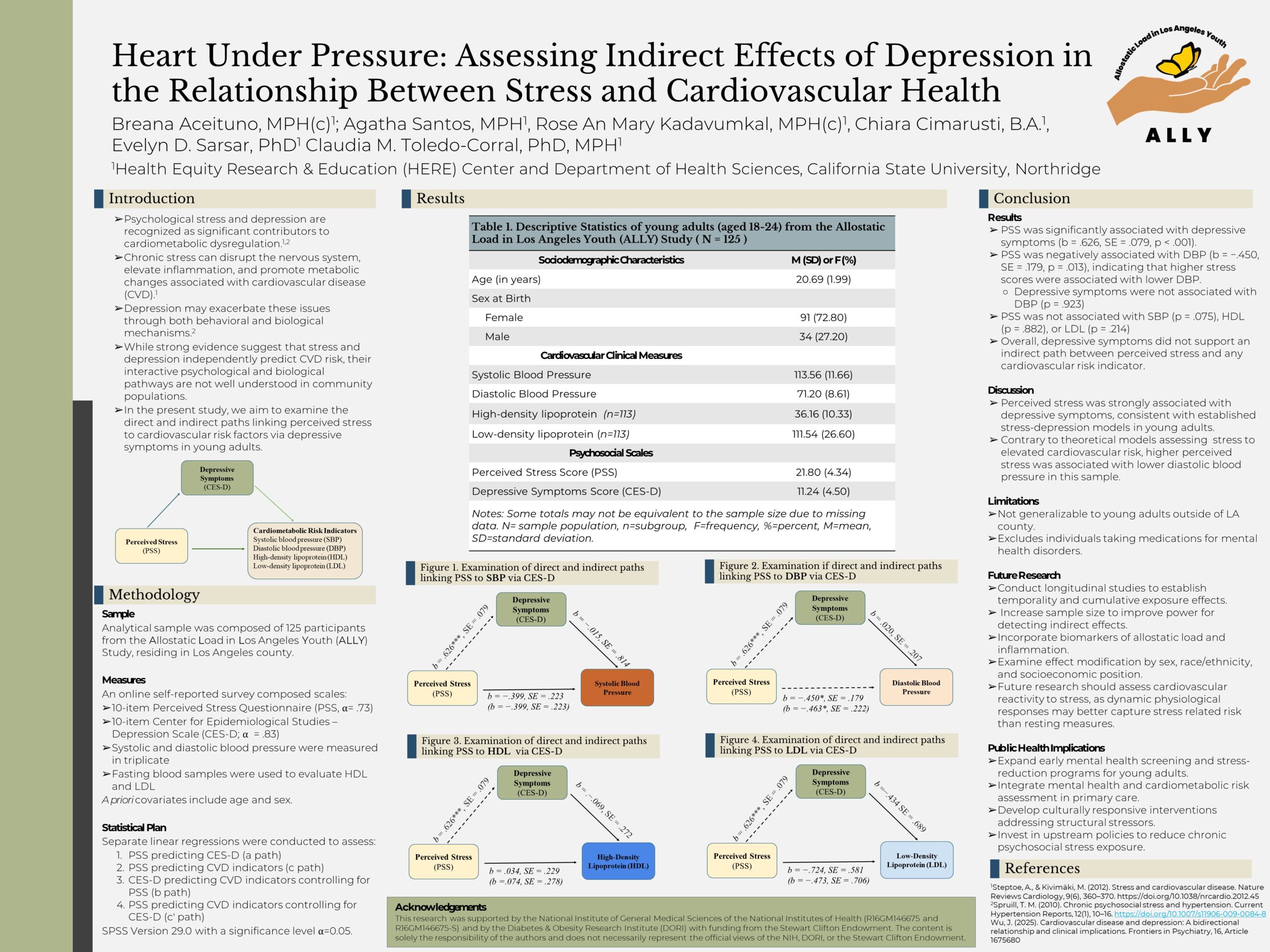
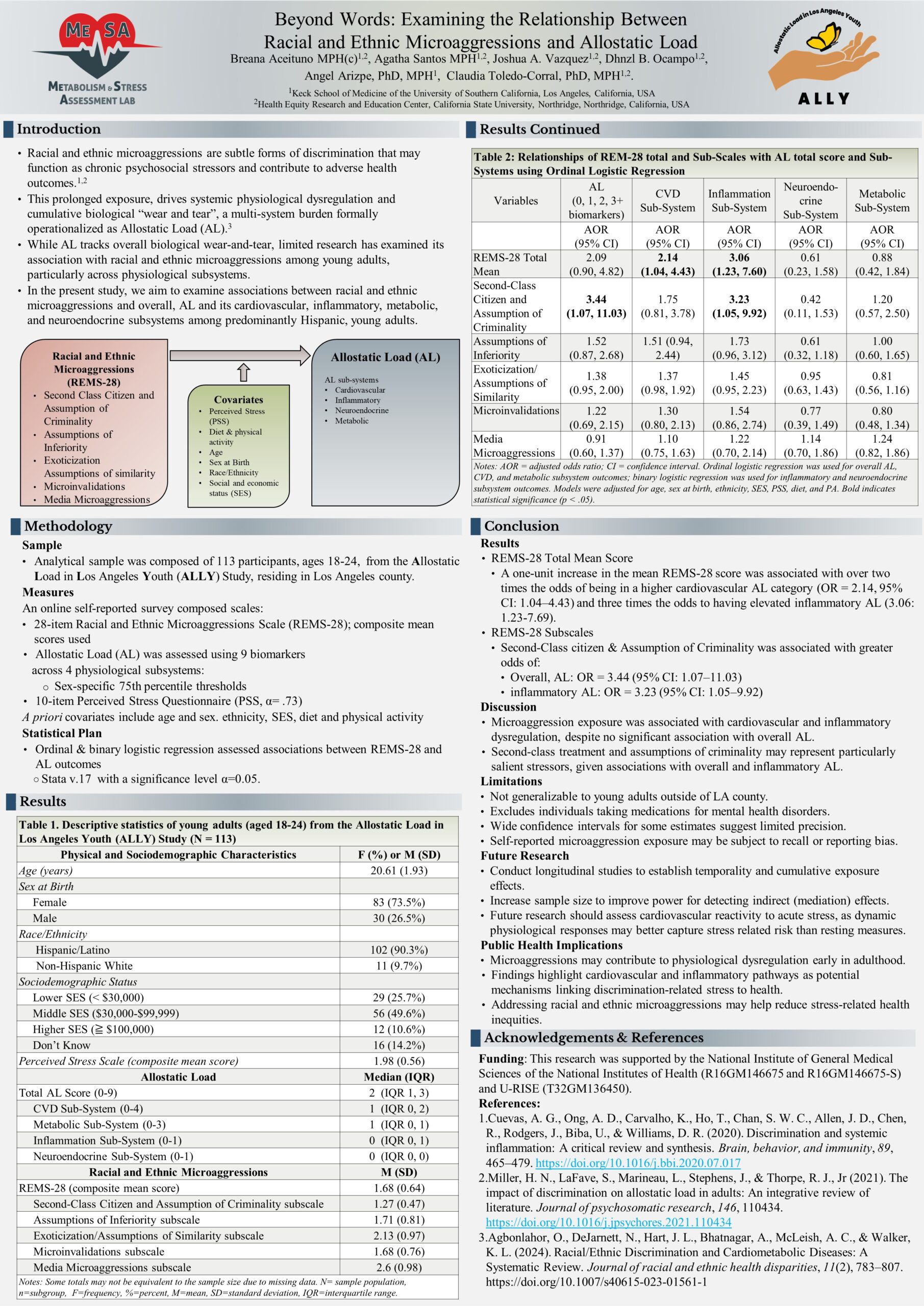
The overarching research aim of the MeSA pilot study to understand the complex relationship between various stressors, HPA-axis activity, and body fat. In this effort, we will characterize perceived, community, and biological stress and assess their relationships with body fat measures.
Since our lab is grounded in clinical epidemiological design, we only use quantitative methods. Our data are collected via self-reported surveys, health behavior assessments, and physiological measures from biospecimens.
Our Team
Professor
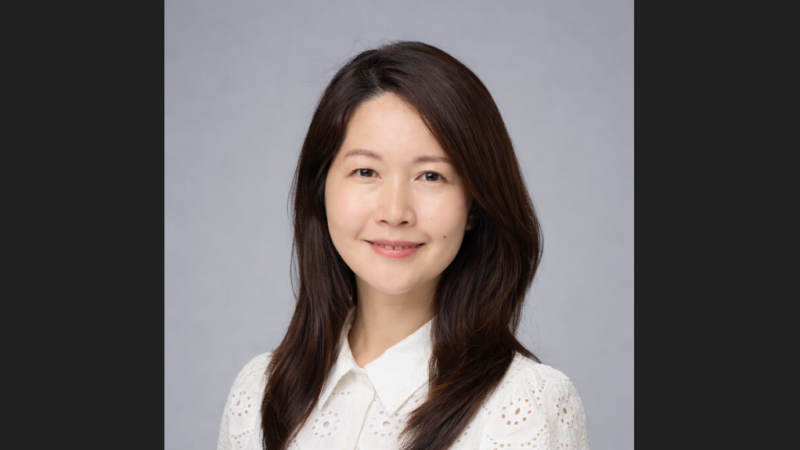
Claudia Toledo-Corral is a Professor in the Department of Health Sciences at CSUN and an Adjunct Professor at the University of Southern California (USC). Dr. Toledo-Corral has a background in biological sciences, health psychology, and anthropology/cultural studies, and obtained her M.P.H. and Ph.D. in Preventive Medicine from USC. She has a long-standing research agenda in the field of obesity and associated disease risk in minority populations. Dr. Toledo-Corral’s past work includes the study of the biological underpinnings of pediatric obesity and diabetes risk, assessing the efficacy of clinical diagnostic methods for diabetes, and examining the physiological role of stress on obesity and cardiometabolic risk. To date, she has mentored, and published with, dozens of students at the undergraduate and graduate level (MPH and PhD) at CSUN, CSU Los Angeles, University of Michigan, and USC.
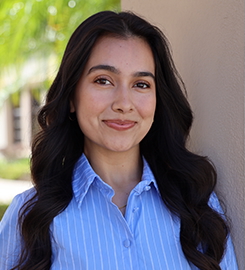
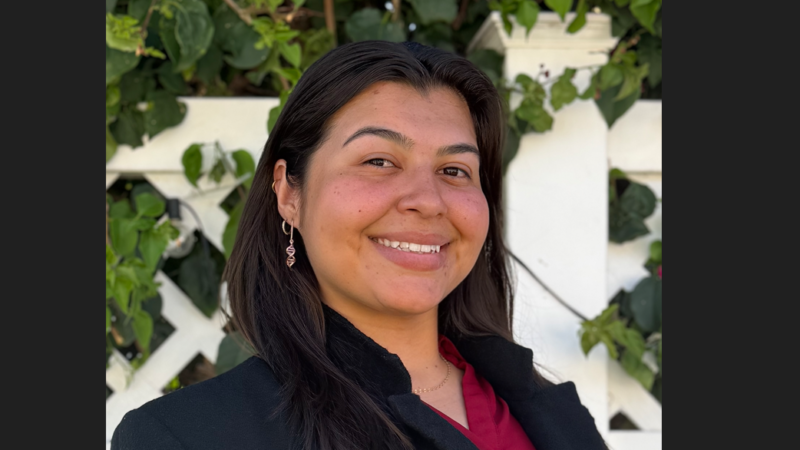
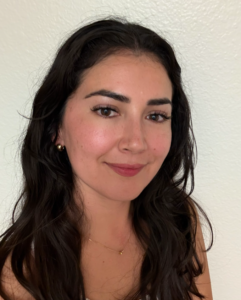
My journey in research began during my undergraduate studies at CSU San Marcos, where I was
an American Psychological Association Research Scholar and a Ronald E. McNair Scholar.
During this time, I conducted research examining the impact of sociocultural stress on fetal
programing and perinatal maternal mental health among women of Mexican descent. This
experience solidified my interest in understanding the effects of sociocultural stressors within
marginalized communities, particularly the Latinx population.
As a graduate student and a Chancellor’s Doctoral Incentive Program Scholar, my research
expanded to focus on stress processes and protective factors through the lens of health
psychology and developmental science, particularly among Latinx adolescents. My work aims to
deepen our understanding of the relationship between stress and health within broader systems of
oppression.
Currently, as a postdoctoral fellow, I hope to continue my work with marginalized communities
and further develop my expertise on the health-related outcomes of discrimination. As a new
member of the Metabolism and Stress Assessment Lab, I am excited to collaborate with a diverse
time and engage with students with a broad range of expertise, to advance this important area of
research.
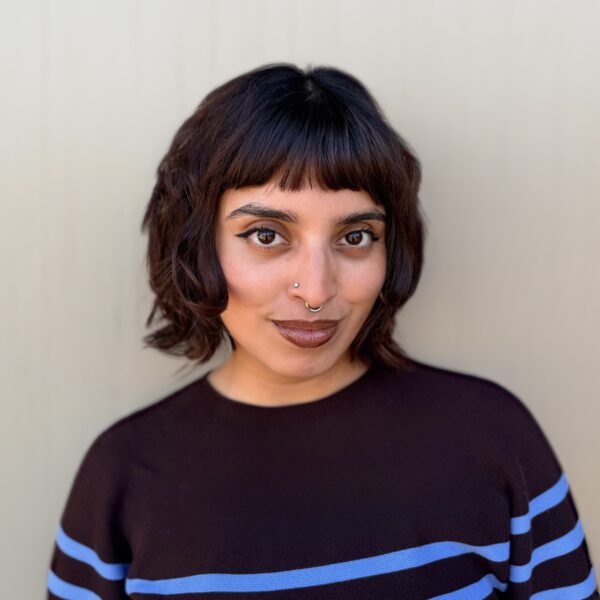
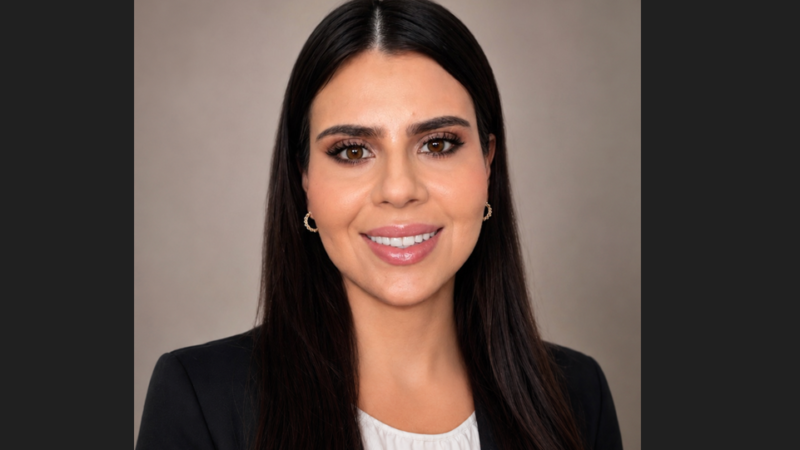
Kimberly graduated with her Master of Public Health with a concentration in Applied
Epidemiology. In the Metabolism and Stress Assessment Lab (MeSA) Lab, she is the lead project
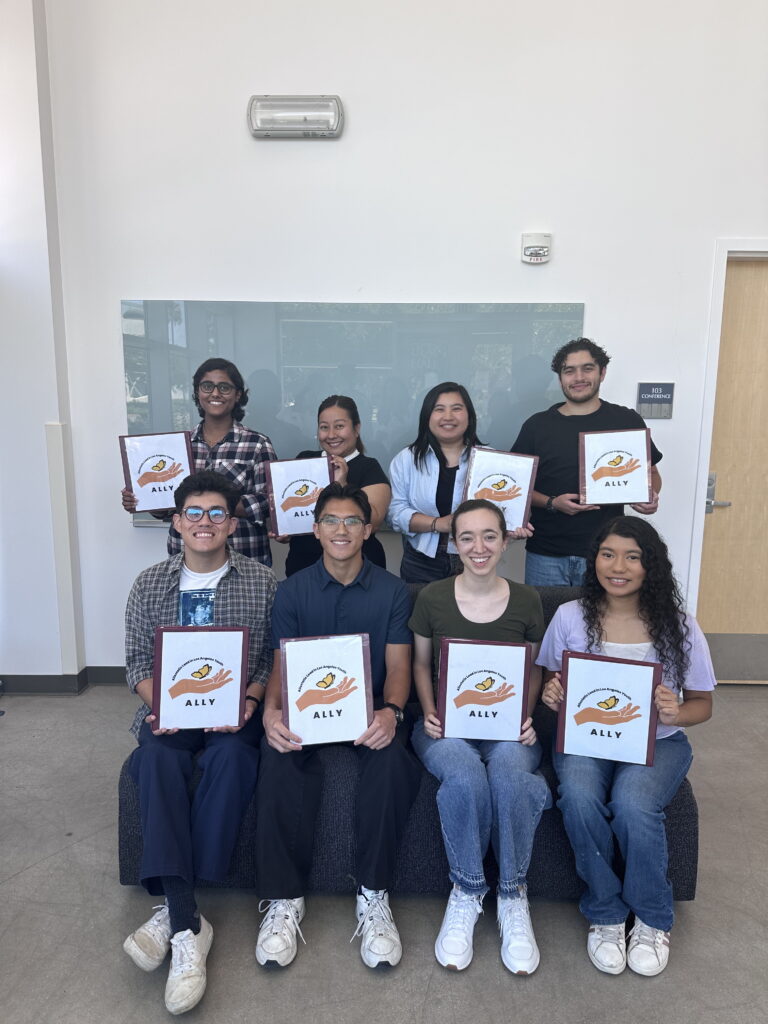
coordinator for the Allostatic in Los Angeles Youth (ALLY) study assisting with recruitment and
data collection. Her master’s thesis consisted of ‘Examining the Associations between Cortisol
Measures with Type 2 Diabetes Markers by Sociodemographic Factors among Black/Latinx
Adolescents with Overweight and Obesity’ using the Diabetes Risk and Ectopic Adiposity in
Minority Youth (DREAM) Study. In the 2021–22 academic year, she was awarded the California
Pre–Doctoral Sally Casanova scholarship and was a CSUN Teaching Fellow. Her future goals
include pursuing a doctoral degree in Epidemiology and a career in academia. The research
agenda she plans to pursue is to study the effects of social determinants of health on chronic
diseases in ethnic minority youth.
MPH Applied Epidemiology
Breana is a graduate student of the Master of Public Health student in the Applied Epidemiology program at California State University, Northridge. She also holds a B.S. in Public health from CSUN. Before joining the lab, Breana’s research interest involved investigating how Environmental pollutant exposures are associated with cardiovascular risk among ethnic minority youth, infants, and expecting mothers. Specifically, she is interested in how air pollutants may alter biological mechanisms and development and if relationships differ among biological sex, gender, ethnicity, and age. Breana’s future goals involve pursuing a doctoral degree in Environmental Epidemiology and a career in academia.
B.S., Cell & Molecular Biology
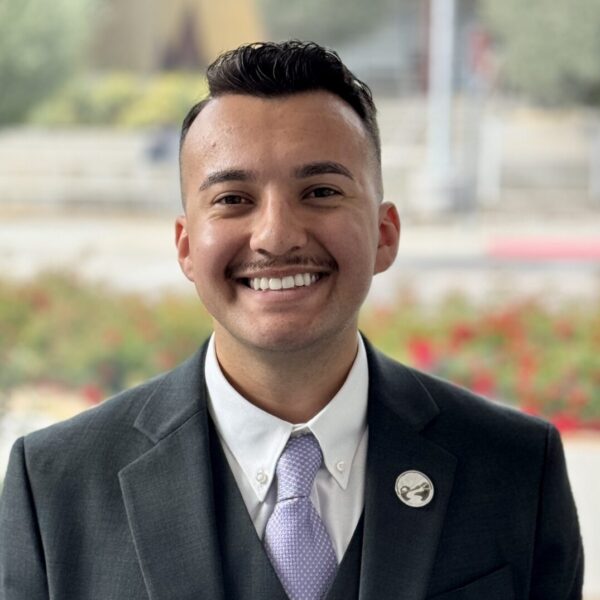
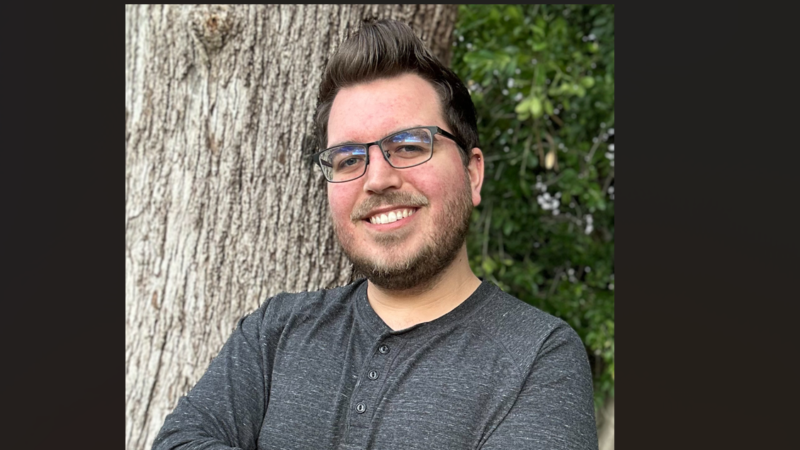
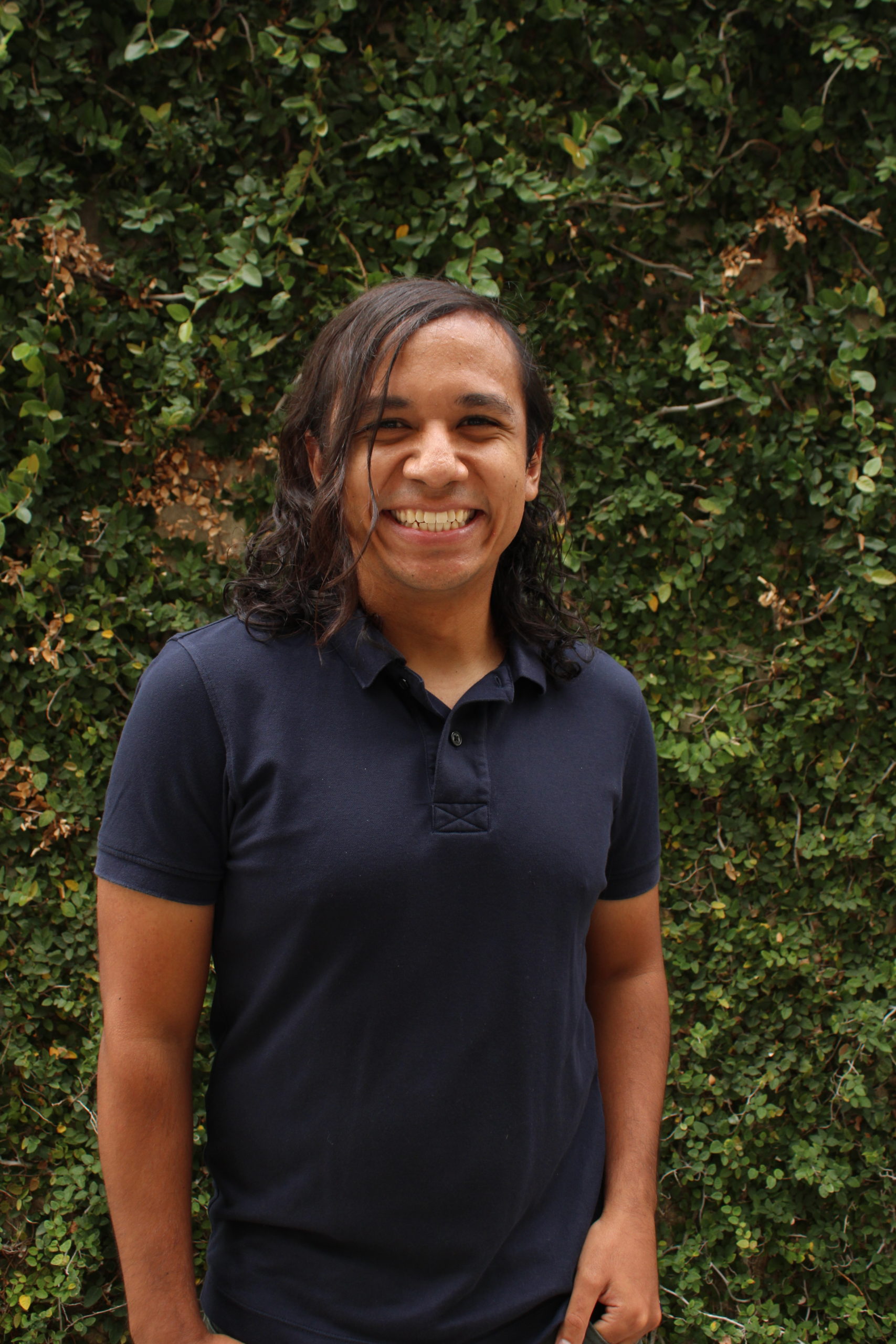
Joshua A. Vazquez is a student in the Bachelor of Science in Cell and Molecular Biology program, double minoring in chemistry and public health at California State
University, Northridge (CSUN). Using a basic sciences curriculum and an epidemiological research focus, he hopes to attain pertinent knowledge about biological aspects of disease and discover how these findings translate to the healthcare field. Ultimately, Joshua would like to apply to MD-PhD programs to become a physician-scientist to study cardiovascular disease and teach at the university level.
While Joshua’s primary duty is project coordination for the ALLY Study, he has had variety of experiences since joining the lab in late-2022 ranging from Social Media Coordinator and more recently working as our full-time Laboratory Coordinator for the 2025 summer term.
Since 2024, Joshua has been a fellow in the NIH Undergraduate Research Initiative for Student Enhancement (U-RISE) Program under Dr. MariaElena Zavala. He serves as a student research collaborator to the Culture, Health, and Development (CHD) Lab led by Dr. Yolanda Vasquez-Salgado. He is also the President of the Chemistry and Biochemistry Club at CSUN led by faculty advisor Dr. Ravinder Abrol.
B.S., Public Health
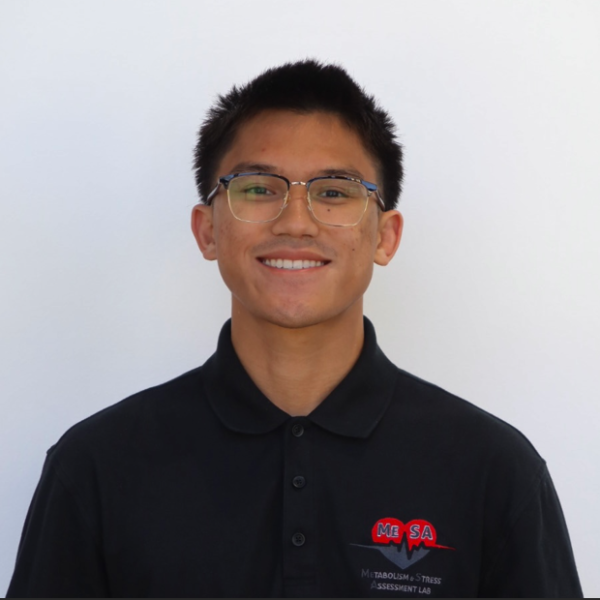
Dhnzl Dreyl B. Ocampo is a third-year undergraduate public health student at California State University, Northridge. Dhnzl’s research interests include how limited English proficiency functions as a social determinant of health and how chronic diseases can be prevented or managed through lifestyle changes. As a research assistant in the MeSA Lab, Dhnzl hopes to gain greater insight into how social and environmental stressors impact chronic disease risk. Upon graduating, Dhnzl plans to continue his education by applying to medical school.
MPH Applied Epidemiology
Renee is a graduate student in the Master of Public Health program with a concentration in Applied Epidemiology. Her current research interests include investigating psychosocial factors contributing to metabolic stress, which may be associated with chronic disease. As a future PhD student, she aims to integrate the role of epigenetics in these relationships. Her long-term goals include completing a Ph.D. and representing first-generation Hispanic females in academia within the STEM field, following the direction of her mentor and principal investigator, Dr. Claudia Toledo-Corral.
Nayely is a second-year Master of Public Health student at Columbia University’s Mailman School of Public Health, specializing in the Department of Population and Family Health with a certificate in Climate and Health. She earned her B.A. in Global Health from the University of California, San Diego. Her research interests are examining environmental burdens and environmental racism affecting Latino communities. In the future, Nayely aspires to work with the NIH or CDC.
Christine is a graduate student in the Master of Public Health Applied Epidemiology program at California State University, Northridge. She holds a B.A. in Psychology from Azusa Pacific University. Christine’s research interests focus on the global burden of cardiovascular diseases and diabetes, especially among young and older adults. She is particularly interested in how environmental exposures, cultural practices, and regional differences can influence chronic diseases across biological sex, race/ethnicity, gender, and age groups. Christine’s long-term goals include a career in pharmaceutical research, specifically contributing to the efforts of drug trials for both chronic and infectious diseases.
Chiara is a graduate student in the Master of Public Health program with a concentration in Applied Epidemiology at California State University, Northridge. She is particularly interested in how COVID-19 exacerbated food insecurity and the way people cope with the lack of access to healthy nutrition. Chiara is also interested in looking at how the social stress of post COVID-19 symptoms alters one relationship with food and gives rise to type 2 diabetes. Her long-term goals consist of pursuing a doctoral degree in the field of infectious disease epidemiology and becoming a public health researcher.
Rose An Mary Kadavumkal is a graduate student in the Master of Public Health program with a concentration in Applied Epidemiology. Her current research interests revolve around the use of biostatistics to determine associations between biological conditions and different social determinants of health. By being a part of the MeSA Lab, she hopes to build a better understanding of research methods, data collection, and active data analysis. Rose plans to further her education in the field of biostatistics and epidemiology in order to teach and/or work for the local government.
Karim Kouatly is a Master of Public Health student with a concentration in Epidemiology. He graduated with a Bachelor of Science in Public Health in spring 2024 from California State University, Northridge (CSUN). During his academic career at CSUN, Karim interned as a research assistant on an Adverse Childhood Experiences (ACE) study and contributed to various public health initiatives focused on health equity. He served on the University Student Union’s Diversity & Inclusion Committee and currently holds the position of Chair of the Personnel Committee for the Board of Directors of the University Student Union for the 2025–2026 term. His research interests focus on improving overall health and well-being by addressing the social and environmental factors that shape health outcomes. Karim’s future goals include pursuing a Ph.D. in Epidemiology.
Cecilia is a first–generation undergraduate student in the Bachelor of Science in Public Health program with a minor in Human Lactation and Child and Adolescent Development at California State University, Northridge. Her research interests are to focus on health disparities and health inequalities within underrepresented and high-risk communities. Cecilia wishes to continue her research within the public health field and biomedical sciences.
Jeremy Argueta is a Business Information Systems major at California State University Northridge (CSUN). While at CSUN, He has done research for the Positive Augment Research and Development Lab. Also, he has created, designed, and maintained the website for the Mesa Lab.
Lab Gallery
Our Work
Contact Us
Location
18111 Nordhoff St, Northridge, CA 91330
Contact us
Phone: 818 677 4937
Email: claudia.toledo-corral@csun.edu